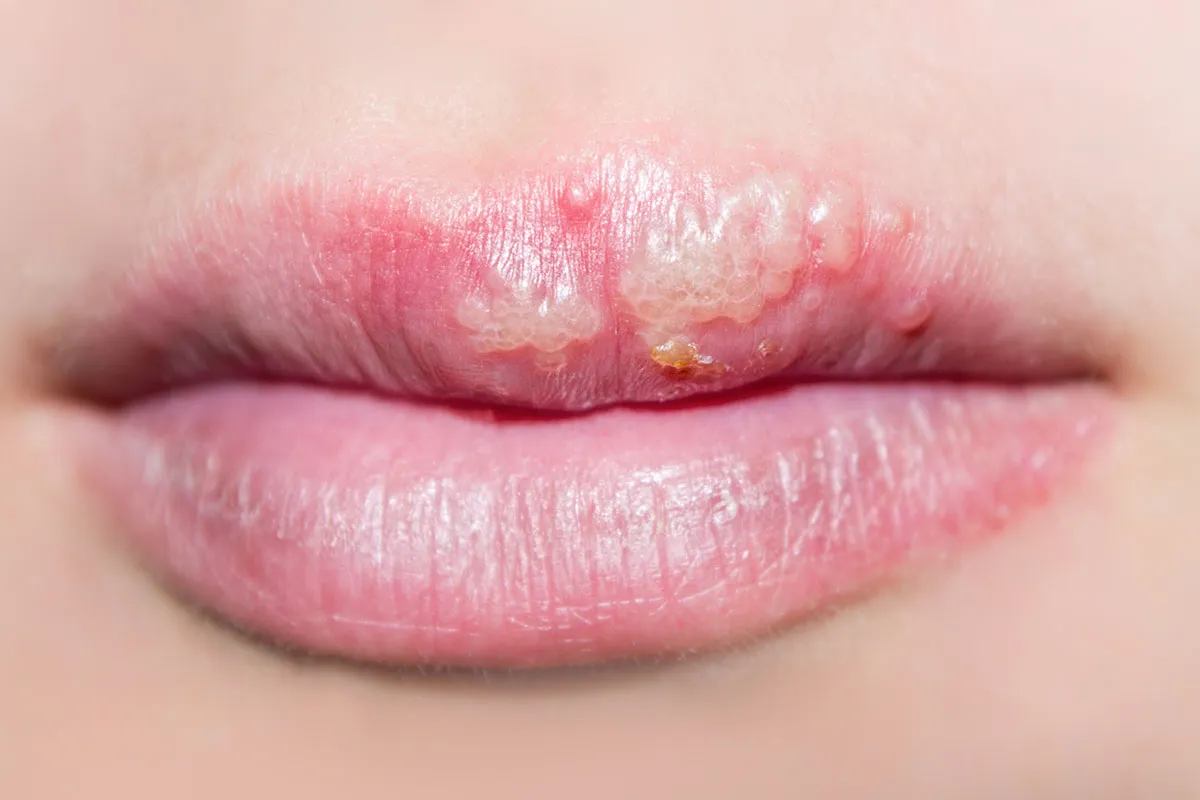
Cold sores are caused by the herpes simplex virus (HSV) and usually appear on or around the lips and mouth. Many people are exposed to the virus at a young age, and it can remain dormant in the body, reappearing from time to time.
Cold sores often begin with an early warning phase, where the skin feels tingly, itchy, or has a burning sensation in a small area around the lip. Within a day or two, small fluid-filled blisters may develop. These blisters can burst, weep, and then dry out to form a crust or scab. The area may feel sore or uncomfortable while healing.
Cold sores usually heal on their own within 7 to 10 days and do not normally leave a scar, although repeated episodes in the same area may leave some skin changes over time.
Some people may also notice swollen or tender glands, particularly around the neck. In children, symptoms can sometimes include sore gums, a sore throat, increased saliva, mild fever, or general discomfort.
Cold sores often recur in the same place and may be triggered by factors such as illness, stress, sunlight, or cold weather.
Symptoms such as sores that do not heal within two weeks, severe pain or swelling, spreading infection, or sores involving the eye are not typical and you should make an immediate appointment with your GP.
Many cold sores are mild and will heal on their own within 7 to 10 days without treatment. Treatment aims to reduce discomfort, shorten healing time, and help prevent the cold sore from worsening.
Antiviral creams can be used to treat cold sores and are most effective when started as early as possible ideally at the first signs of tingling, itching, or burning. These creams help limit the activity of the virus and may reduce the duration and severity of symptoms. Treatment can still be started after blisters appear, but early use gives the best results.
Supportive treatments can also help relieve symptoms. These may include protective lip creams, barrier ointments, or soothing products to reduce dryness and irritation. Keeping the area clean and dry supports healing.
In some cases, treatment may not be necessary, particularly where symptoms are mild and infrequent. Our pharmacists will assess whether treatment is appropriate and advise accordingly.
Most cold sores can be managed at home and will heal on their own within 7 to 10 days. Simple self-care measures can help reduce discomfort and support healing.
Keeping the area clean and dry is important. Hands should be washed thoroughly before and after touching a cold sore or applying any treatment. Drinking plenty of fluids and choosing cool, soft foods can help, especially if the area is sore. Salty, spicy or acidic foods may cause stinging and are best avoided while the cold sore is healing.
Applying a protective lip balm or barrier cream can help prevent cracking and dryness. If cold sores are triggered by sunlight, using a lip balm with a high SPF may help reduce future flare-ups.
To reduce the spread of infection, people should avoid touching or picking the cold sore, sharing towels, cutlery, lip products or creams, and kissing or close skin-to-skin contact until the cold sore has fully healed.
Children with cold sores can usually continue attending school or childcare if they are well enough, but good hand hygiene should be encouraged, particularly while the sore is weeping.
Cold sores are common in children and are caused by the same virus as in adults. In children, symptoms may sometimes be more uncomfortable and can include sore gums, a sore throat, swollen glands, increased saliva, mild fever, or difficulty eating and drinking. Good hydration is important, and offering cool, soft foods can help ease discomfort.
Children with cold sores can usually continue attending school or childcare if they are otherwise well. However, good hand hygiene is essential, especially while the cold sore is weeping, to reduce the risk of spreading the infection to others or to other areas of the child’s body. Cold sores can spread to a child’s fingers if a child suck their fingers. They can also spread to the eyes if a child touches an open sore then rubs their eyes.
Cold sores can be more serious in very young babies. Babies under one month of age, or infants who appear unwell, should always be assessed urgently by a doctor. Parents and carers should avoid kissing babies if they have an active cold sore, as infection in newborns can be serious.