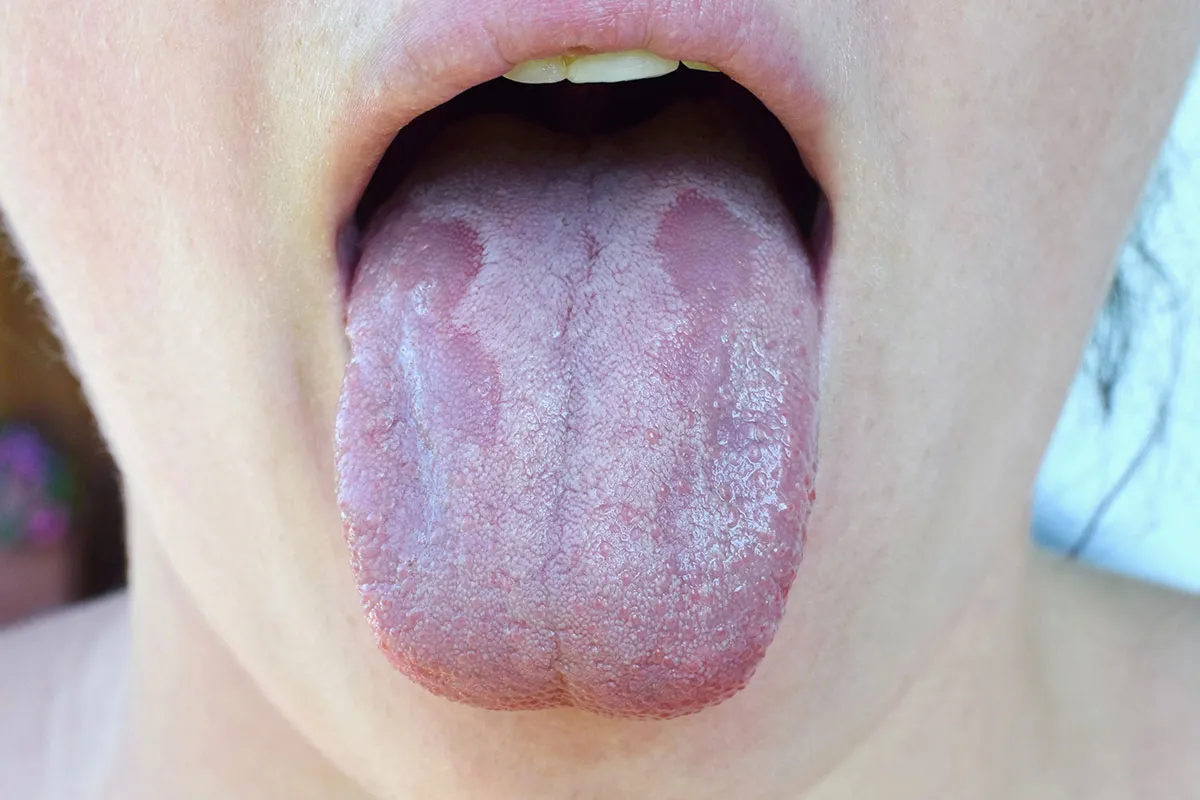
Oral thrush is a fungal infection in the mouth. It commonly causes white, creamy patches on the tongue, inside the cheeks or roof of the mouth. These patches may look like milk but do not wipe away easily, and if removed can leave the skin underneath red and sore. Some people experience a sore or burning mouth, altered taste, or discomfort when eating or drinking.
In babies, oral thrush may appear as a white coating on the tongue or inside the mouth, and the baby may be unsettled or reluctant to feed. In people who wear dentures, thrush can cause redness or soreness underneath the denture, sometimes without visible white patches.
Treatment depends on age and symptoms. Under the Common Conditions Service our pharmacists can assess and treat adults and children aged 1 month and over with suspected oral thrush where appropriate. Treatment usually involves an antifungal liquid or gel applied inside the mouth for a number of days, and it is important to continue treatment for the full recommended course, even if symptoms improve sooner.
If symptoms do not improve, keep coming back, last longer than 14 days, or if swallowing becomes painful, referral to a GP may be required for further assessment.
For breastfed babies with oral thrush, both the baby and the mother require treatment at the same time, even if the mother has no symptoms. A topical anti-fungal treatment is available which should be applied to the nipple and areola after every feed. Any visible cream should be wiped off gently prior to the next feed. .
There are several simple steps you can take at home to help oral thrush clear and to prevent it coming back:
For babies and children
When to seek further advice
If you wear dentures, good denture care is important while treating oral thrush. Dentures should be removed at night, cleaned thoroughly every day using a denture brush and mild soap, and left out for as long as possible to allow the mouth to heal. Dentures should be disinfected regularly with a disinfectant such as Milton diluted 1 part Milton to 10 parts cold water (if there are no metal parts), chlorhexidine may be used undiluted if there are metal parts, for no more than 10 minutes twice per day until signs of thrush are gone.
If your dentures do not fit well or continue to cause soreness, you should see your dentist for review.